
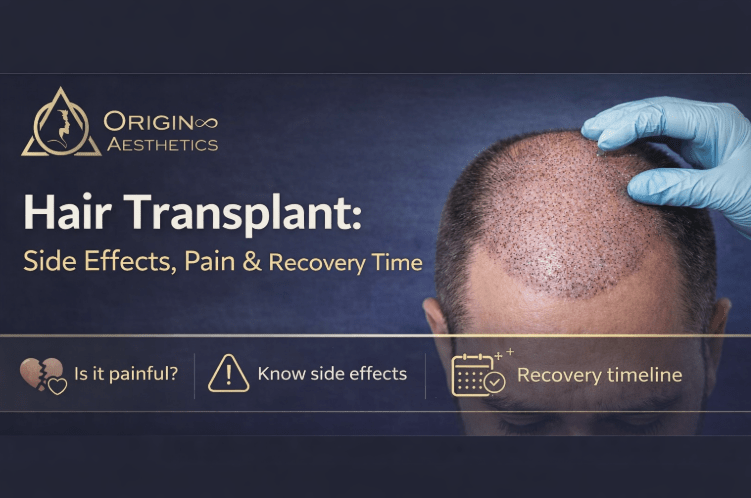
Hair loss can impact confidence, and hair transplant surgery has become a popular, long-term solution. One of the most common concerns patients have is simple but important: does a hair transplant hurt?
In this doctor-reviewed guide, we’ll explain hair transplant pain, hair transplant side effects, recovery and hair transplant healing time, and what you should realistically expect after surgery.
Does a Hair Transplant Hurt?
Short answer: No, hair transplant surgery is usually not painful.
During the procedure, local anesthesia is used to numb the scalp. Patients may feel:
- Mild pinching during anesthesia injections
- Light pressure or vibration during graft extraction
- No sharp pain during the actual transplant
Most patients describe the experience as comfortable and tolerable, and many even watch movies or listen to music during the procedure.
After surgery, hair transplant pain is generally mild and temporary. Any discomfort is easily managed with prescribed pain relievers.
Hair Transplant Side Effects
Like any medical procedure, hair transplants can have side effects. The good news is that most are temporary and mild when performed by an experienced surgeon.
Common Hair Transplant Side Effects
- Swelling of the forehead or scalp (subsides in 2–4 days)
- Redness around transplanted areas
- Mild pain or soreness
- Scabbing or crust formation
- Itching during healing
Less Common Hair Transplant Risks and Side Effects
- Infection (rare with proper hygiene)
- Temporary numbness
- Folliculitis (small pimples around grafts)
- Shock loss (temporary shedding of existing hair)
Most hair transplant risks and side effects resolve on their own within a few weeks.
Is Hair Transplant Surgery Safe?
Yes, hair transplant surgery is safe when performed by a qualified doctor in a medical setting.
Modern techniques like FUE (Follicular Unit Extraction) and DHT (Direct Hair Transplant) are minimally invasive and have high success rates. Safety depends on:
- Surgeon’s expertise
- Sterile clinic environment
- Proper patient selection
- Post-operative care compliance
Patients with conditions like diabetes or heart disease should undergo medical evaluation before surgery.
What to Expect During a Hair Transplant Procedure
A typical hair transplant includes:
- Consultation & hairline design
- Local anesthesia
- Graft extraction
- Graft implantation
- Post-procedure instructions
The procedure can take 4–8 hours, depending on the number of grafts.
Hair Transplant Recovery: Timeline Explained
First 1–3 Days
- Mild swelling or tightness
- Small scabs around grafts
- Avoid touching or scratching
7–10 Days
- Scabs fall off naturally
- Redness reduces
- Resume light activities
2–4 Weeks
- Shock loss phase (temporary shedding of transplanted hair)
- This is normal and expected
3–6 Months
- New hair starts growing
- Hair texture may be thin initially
9–12 Months
- Visible, thicker hair growth
- Final results become apparent
Overall, hair transplant recovery is smooth, with most people returning to work within 2–3 days.
Hair Transplant Healing Time: What’s Normal?
Hair transplant healing time varies slightly from person to person, but generally:
- Scalp heals in 10–14 days
- Full graft stabilization occurs by 3–4 weeks
- Final cosmetic results take up to 12 months
Proper care significantly improves healing speed and outcomes.
Hair Transplant After Surgery Care (Secondary Keyword)
Following the right hair transplant after surgery care routine is essential.
Do’s
- Use only doctor-prescribed shampoos
- Sleep with head elevated for 3–4 days
- Stay hydrated and eat nutritious foods
- Take medications as prescribed
Don’ts
- Avoid smoking and alcohol for at least 7 days
- Don’t exercise or sweat heavily for 10–14 days
- Avoid sun exposure on the scalp
- Don’t scratch or pick scabs
Good aftercare minimizes hair transplant risks and side effects and improves graft survival.
A hair transplant is not a painful procedure, and modern techniques make it safer and more comfortable than ever. Understanding hair transplant side effects, hair transplant recovery, and hair transplant healing time helps set realistic expectations and reduces anxiety.
If you’re considering hair restoration, consult an experienced doctor to ensure the best results with minimal risks.Healthy scalp, expert care, and patience are the keys to successful hair transplant results.
Take the First Step Toward Confident Hair & Beard Restoration
Looking for safe, natural-looking hair, moustache, or beard restoration?
Origin8 Aesthetics, the best hair transplant clinic in Nagpur, offers advanced, doctor-led treatments under the expertise of Dr. Sohel Shrivastav
📞 Book a Consultation: Call us today at 7507959893 to assess if you are a candidate for Hair transplants.
Visit Us: We are conveniently located at Plot no 40, Ayodhya Nagar Rd, opp. Sanjuba High School, Chakradhar Nagar, Jawahar Nagar, Ayodhya nagar, Nagpur, Maharashtra 440024
Natural results. Advanced techniques. Doctor-driven care.
Frequently Asked Questions (FAQ)
No. The procedure is performed under local anesthesia, and post-surgery pain is usually mild and temporary.
Common hair transplant side effects include swelling, redness, itching, and scabbing. Serious complications are rare.
Initial recovery takes about 7–10 days, while full hair growth results appear within 9–12 months.
Yes, it is a medically safe and well-established procedure when done by trained professionals.
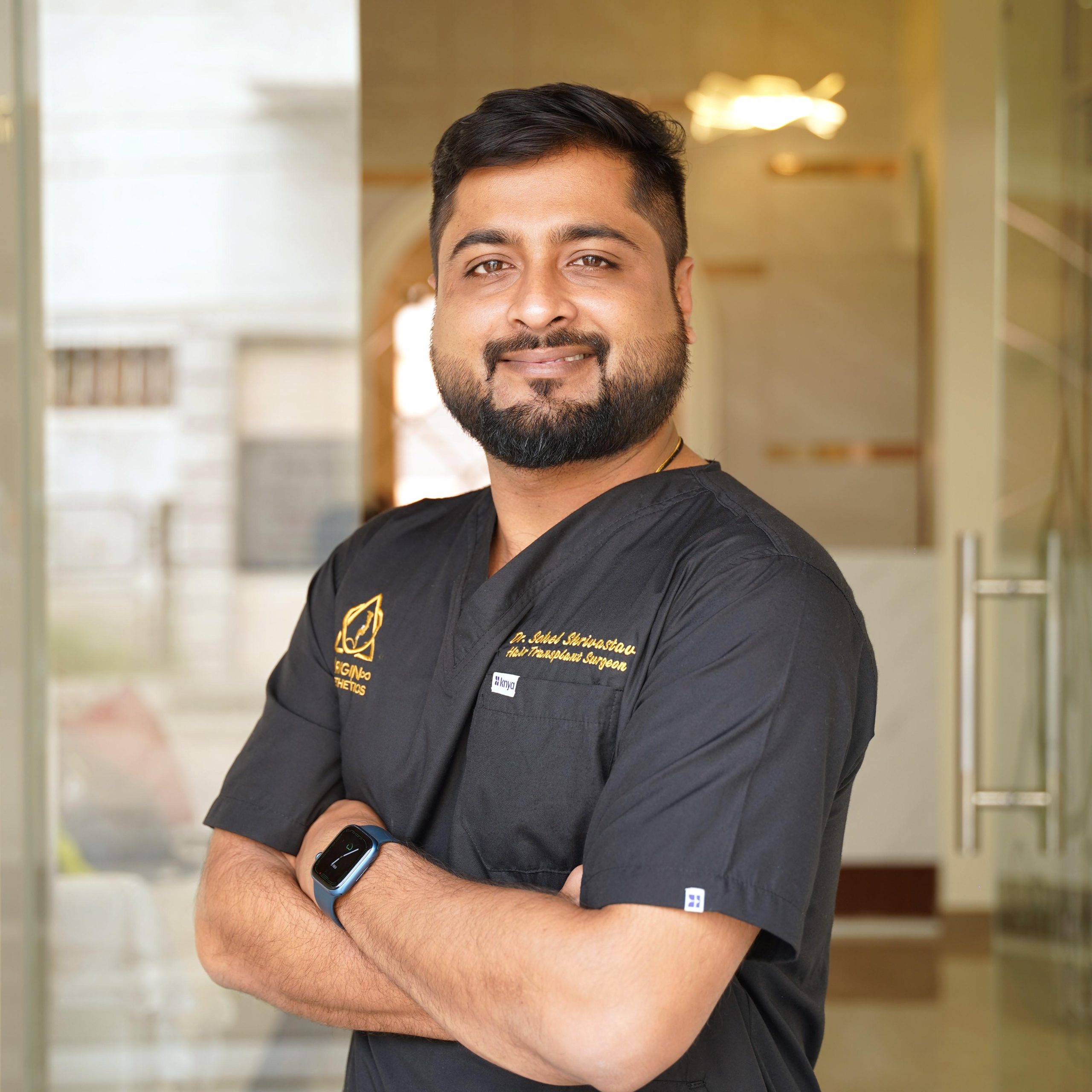
Dr. Sohel Shrivastav is a board-certified Consultant Hair Transplant Surgeon with over 5 years of clinical experience in hair restoration and aesthetic medicine. He earned his medical degree from the NAAC-accredited Datta Meghe Institute of Medical Sciences (DMIMS), Sawangi, and completed a Fellowship in Aesthetic Medicine (FAM) from the University of Greifswald, Germany.
He has served as a Senior Hair Transplant Consultant across multiple reputed hair transplant centres in Pune, Vijayawada, and Kerala. His clinical practice focuses on evidence-based hair transplant procedures, ethical patient consultation, and long-term treatment outcomes.

